Shortfills explained: what they are and how to use them
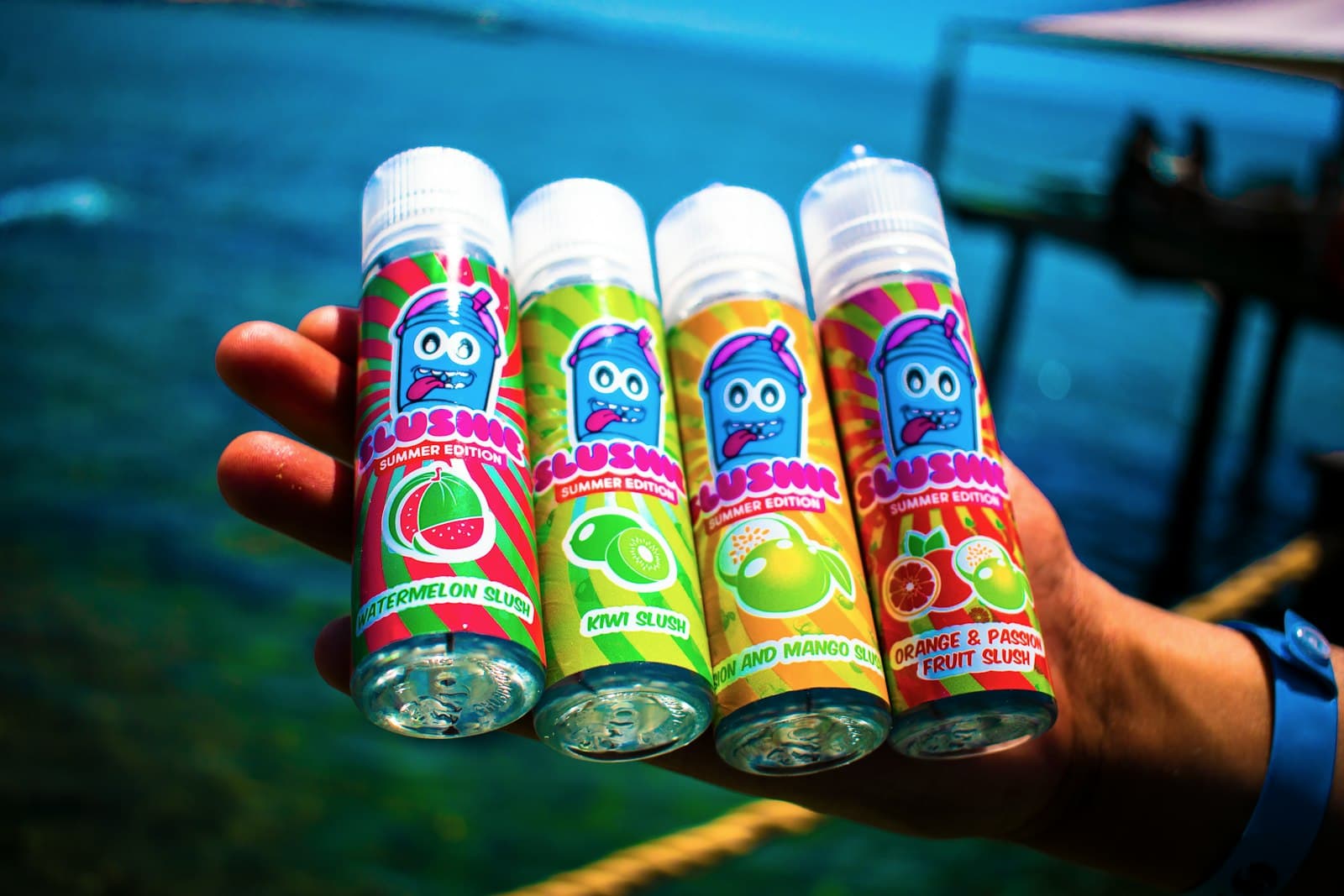
Pick up a 50ml or 100ml bottle of e-liquid in a UK vape shop and there's a good chance it contains no nicotine at all, despite looking every bit like a "proper" bottle of vape juice. That's a shortfill, and once you understand why it's built the way it is, the whole system makes a lot more sense than it first appears.
What a shortfill actually is
A shortfill is a bottle of e-liquid, commonly 50ml or 100ml, sold deliberately under-filled relative to the bottle's total capacity. A "50ml shortfill" typically means 50ml of liquid inside a 60ml bottle, leaving 10ml of empty headroom. That gap isn't a packaging mistake or a shortfall, it's there on purpose, sized specifically so you can pour in a 10ml nicotine shot afterwards without the bottle overflowing. The liquid itself is normally sold at 0mg, with a stated VG/PG ratio, and everything else you'd expect on a bottle label except a nicotine strength above zero.
Why shortfills exist
Shortfills are a direct consequence of UK regulation rather than a marketing idea. Under the Tobacco and Related Products Regulations (TRPR), nicotine-containing e-liquid can only be sold in containers of 10ml or less, a limit confirmed in GOV.UK's guidance on e-cigarette regulations for consumer products. That works fine for someone who gets through a bottle or two a week, but it's impractical for sub-ohm vapers who might go through 50ml or more. Manufacturers solved this by selling the base liquid nicotine-free, since the 10ml cap only applies once nicotine is added, and pairing it with small nicotine shots that stay within the legal limit. Buying a large nicotine-free base plus a separate 10ml shot is cheaper overall than buying the equivalent volume in multiple 10ml nicotine bottles, which is a large part of why shortfills became so popular once TRPR came into force.
How a nicotine shot works
A nicotine shot is a small, usually flavourless or very lightly flavoured 10ml bottle of concentrated nicotine in a VG/PG base, typically sold at 18mg/ml, just under the 20mg/ml strength cap that applies to any nicotine-containing e-liquid sold in the UK. Poured into a shortfill, it dilutes down to a much lower final strength because it's spread across a far larger total volume. The shot itself is a legally regulated nicotine-containing e-liquid in its own right, so it carries its own nicotine warning and child-resistant cap, exactly as a 10ml bottle of pre-mixed liquid would.
The maths: working out your final strength
The calculation is simple once you see it written out. Final strength in mg/ml is the total nicotine in the bottle (shot volume in ml multiplied by the shot's strength in mg/ml) divided by the total volume once everything's combined.
Take the most common example: a 50ml shortfill with a single 10ml nicotine shot at 18mg/ml.
- Total nicotine added: 10ml × 18mg/ml = 180mg
- Total volume once combined: 50ml + 10ml = 60ml
- Final strength: 180mg ÷ 60ml = 3mg/ml
Most shortfill bottles are deliberately sized so this sum lands on a clean, standard strength. A 100ml shortfill with two 10ml shots works out the same way: 20ml × 18mg/ml = 360mg of nicotine across 120ml of finished liquid, which is also 3mg/ml. Some shops also sell "double shot" 50ml bottles that are actually only filled to 40ml, with room for two shots: 20ml × 18mg/ml = 360mg across 60ml, giving 6mg/ml instead. The bottle size and headroom tell you how many shots it's designed for, and it's always worth checking that figure before you buy rather than assuming.
What to check on a shortfill label
- VG/PG ratio, fixed by the manufacturer and usually leaning toward VG (70/30 is common), since shortfills are mostly aimed at sub-ohm tanks. See our VG and PG explainer for how adding a shot shifts that ratio slightly once it's mixed in.
- How many shots it's designed for. This is usually printed clearly, such as "add one 10ml nic shot" or "add up to two 10ml nic shots", and tells you the headroom available.
- Batch code and best-before date, the same traceability information any UK-compliant e-liquid should show.
- A clear "0mg" or "nicotine-free" statement on the shortfill itself, distinct from the separate nicotine warning that will appear on the nic shot bottle once you buy one.
- Manufacturer or importer details, required on any e-liquid product regardless of nicotine content.
For the full list of everything UK-compliant e-liquid packaging has to show, including how nicotine strength and warnings are meant to be presented once a shot's been added, our guide to reading a UK e-liquid label goes through it in full.
A few practical notes
Once you've added a shot, cap the bottle tightly and give it a proper shake, since the nicotine won't distribute evenly on its own. Many vapers also let a freshly shotted bottle rest for a day or two before using it, sometimes called steeping, which can let the flavour settle after the shot's own liquid has been mixed in, though this is a personal preference rather than a requirement. Only ever add nicotine shots to a shortfill designed to take them; pouring one into an already nicotine-containing bottle risks pushing the total strength above the legal 20mg/ml cap, and pouring it into the wrong volume of liquid will simply give you a strength you didn't intend. From 1 October 2026, a new Vaping Products Duty of £2.20 per 10ml applies to all vaping liquid sold in the UK, including shortfills, nic shots and 0mg liquid, so it's worth expecting shortfill and nic shot pricing to shift around that date.
Shortfills exist because of a regulatory quirk rather than because anyone particularly wanted a bottle with a gap in it, but once you've done the sum once, working out your own strength from any shortfill and shot combination takes about ten seconds. If you're still getting to grips with what the rest of the label is telling you beyond the nicotine maths, that's exactly what our label guide is there to help with.