How e-liquid flavour actually works: a beginner's guide to flavour families
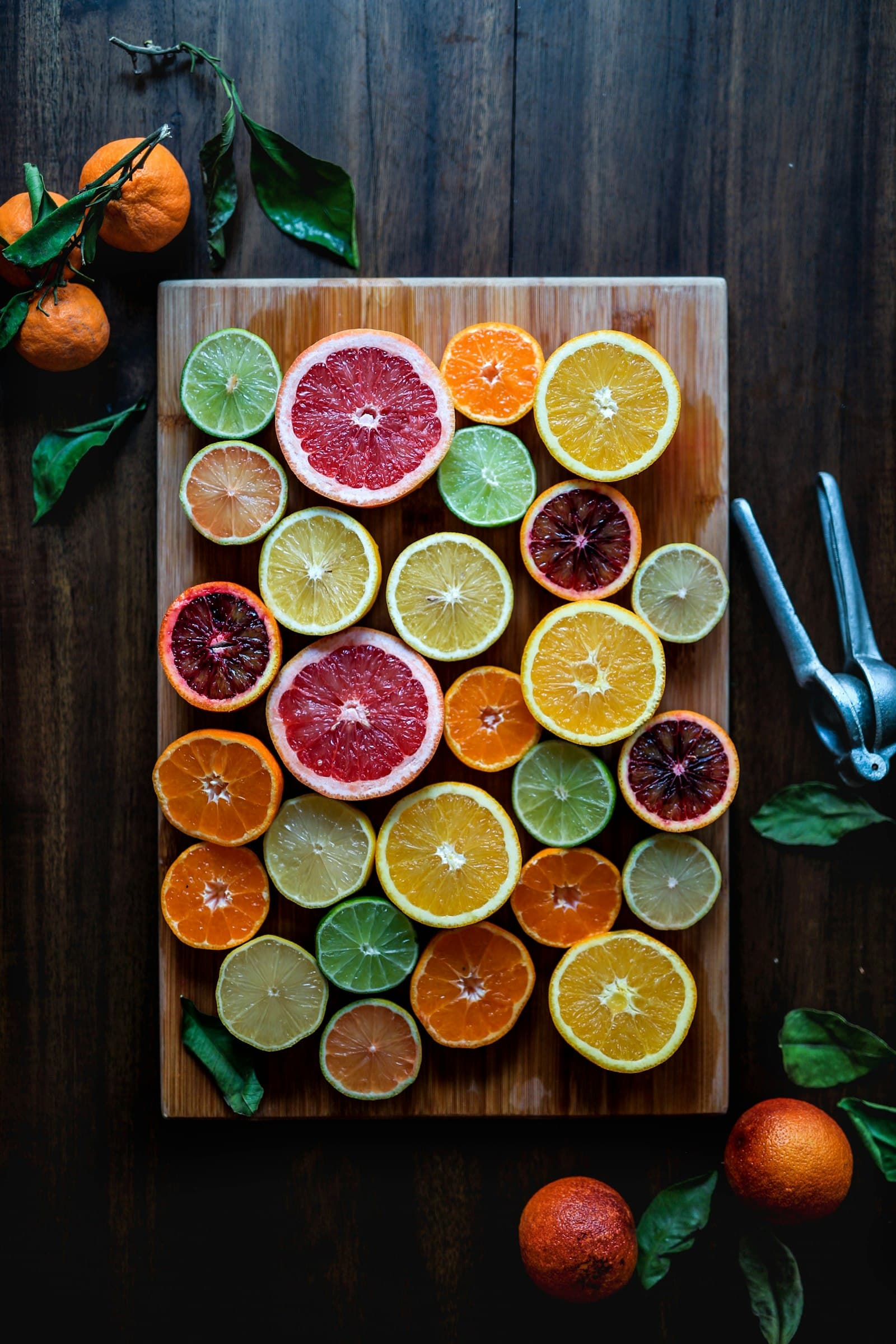
Take a mouthful of vapour from two bottles labelled the same fruit name and you can still get two quite different experiences. That's because flavour in e-liquid isn't one ingredient, it's a small recipe: flavouring concentrates, a base of VG and PG, and sometimes nicotine, all interacting on your tongue and in your nose at once. Understanding the basics makes it much easier to predict what you'll actually like before you open a bottle.
What you're tasting, really
Most of what we call "flavour" is actually aroma. Vapour carries scent compounds up into the nasal cavity as you exhale, which is why a blocked nose makes vaping (and eating) taste flat. The tongue adds sweetness, sourness and a little of the throat hit sensation, but the fine detail of "peach" versus "nectarine" is mostly your nose doing the work. This is also why flavour can fade the longer you vape in one sitting: your nose adapts to a repeated scent quickly, a phenomenon sometimes called vaper's tongue.
The main UK flavour families
Walk into a UK vape shop or browse an online range and you'll find that almost everything sits within a handful of broad families. Plenty of liquids blend two together, but it's a useful map for working out what you might enjoy.
Fruit
The largest and most varied family by far. It ranges from a single, clean note like strawberry or apple through to layered mixed-berry or tropical blends with five or six fruits in one bottle. Fruit liquids tend to sit well on a wide range of VG/PG ratios, which is part of why they're such a popular starting point.
Menthol and ice
These are often lumped together but they're not quite the same thing. True menthol is a flavour note in its own right, with a herbal, medicinal quality. "Ice" variants instead usually rely on a cooling agent, most commonly WS-23, layered on top of a fruit or drink flavour to give a chilled finish without adding a strong minty taste. That's how you get liquids like "watermelon ice" that taste mostly of watermelon with a cold sensation on the exhale.
Dessert and bakery
Custards, pastries, biscuits and cream-based liquids fall here. These flavours often lean on vanilla, buttery and toasted notes, and in our experience they tend to come across better on higher-VG mixes, since a thicker base seems to carry the rounder, sweeter notes more comfortably. Some dessert liquids also benefit from a short steeping period, a few days resting in a cool, dark place after opening, to let the flavour mellow.
Tobacco
Tobacco-flavoured e-liquid ranges from a plain, dry leaf note through to sweeter caramel or RY4-style blends (a classic tobacco and caramel combination). Many people who've switched from smoking use tobacco liquids as a familiar starting point, though plenty of long-term vapers move on to other families once the novelty of quitting smoking has settled.
Beverage
Cola, energy drink, lemonade and coffee-inspired liquids sit in their own family. These are often built to be sharper and more PG-forward, since carbonation and citrus top notes tend to come through more clearly on a thinner base.
How flavour meets VG and PG
Flavouring concentrates dissolve into the VG/PG base rather than floating separately in it, and the ratio of that base changes how the finished liquid tastes and feels. Propylene glycol (PG) is thinner and carries flavour molecules more efficiently, so higher-PG liquids often taste crisper and truer to the bottle description. Vegetable glycerine (VG) is thicker and naturally a little sweet, and in larger proportions it tends to soften or round off sharper notes while producing noticeably more vapour. We cover this in full, including which ratios suit which devices, in our VG and PG explainer.
This is also why the same flavour name can taste different between two brands or two ratios. A 50/50 lemon sorbet and a 70/30 lemon sorbet from the same range are rarely identical experiences, even though the flavouring itself hasn't changed.
Trying new flavours without a drawer full of regrets
It's easy to end up with a shelf of barely-touched bottles. A few habits help avoid that.
- Start with a small bottle. Many UK shops sell 10ml nicotine shortfill bases or short-dated sample sizes specifically so you can try before committing to a larger bottle.
- Try one new flavour at a time. Vaping several unfamiliar liquids back to back makes it hard to judge any of them fairly, thanks to that nasal adaptation mentioned earlier.
- Give dessert and bakery liquids a day or two to settle after opening if the flavour seems muted at first; some genuinely improve with a short rest.
- Ask in an independent vape shop before buying a full-size bottle. Many will let you smell, or in some cases sample, a flavour on the spot.
- Keep a short note of flavours and brands you've liked and disliked. It sounds unnecessary until you're standing in front of forty bottles trying to remember which mango one you got on with.
A quick comparison
| Family | Typical notes | Good starting point for |
|---|---|---|
| Fruit | Bright, sweet, widely varied | Most new vapers |
| Menthol / ice | Cool finish, often layered on another flavour | Ex-menthol cigarette smokers |
| Dessert / bakery | Sweet, creamy, vanilla or bakery notes | Higher-VG sub-ohm setups |
| Tobacco | Dry leaf through to sweet caramel blends | People recently switched from smoking |
| Beverage | Sharp, often citrus or cola-led | PG-forward MTL devices |
Flavour preference is genuinely personal, and there's no correct family to land on. If you want to understand why the same flavour can feel completely different from one bottle to the next, the VG/PG ratio is usually the next thing worth learning, and once you're buying bottles regularly it's worth knowing how to read a UK e-liquid label properly so you know exactly what's in front of you.